Following a successful pilot in 2025, the National Forest for Wales (NFfW) Scheme continues to work at a landscape scale to create and improve forests across Wales.
The scheme is funded by Welsh Government and managed and distributed by WCVA as the Scheme Manager of the Local Places for Nature – Local Nature Partnerships Scheme (LNP). The scheme can be accessed by organisations in Wales who work in collaboration with their Local Nature Partnership to develop and oversee their project.
The fund supports projects across Wales that:
- Realise the economic, community, biodiversity and recreational benefits of the NFfW
- Are collaborative between a number of land owners at a landscape scale
- Meet all 6 NFfW outcomes, as noted below
The purpose of the scheme as a whole is to meet all of the following NFfW outcomes:
- good quality, well designed and managed resilient woodlands
- woodlands accessible to people
- community involvement in woodlands
- connected woodlands
- dynamic, multi-purpose woodlands and trees
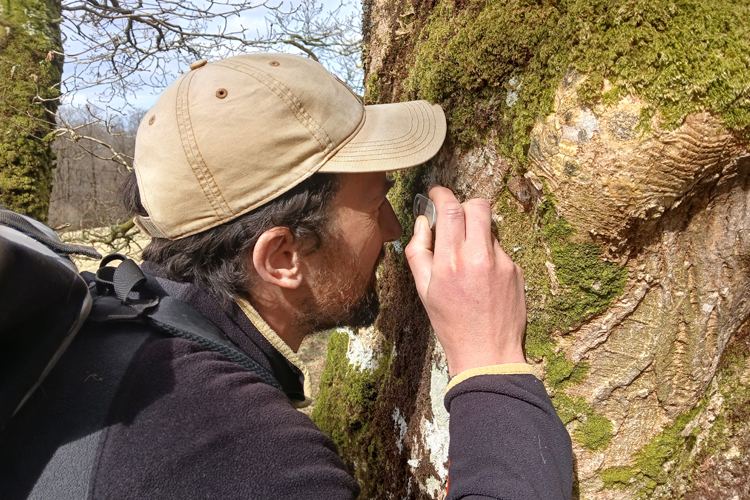
- woodlands that demonstrate learning, research and innovation
Each project should be rooted in the needs of its ‘place’ and the impact trees can have for their community/locality.
Projects should deliver strong community engagement, offering opportunities for deprived communities to access woodland and nature. Creating local, sustainable, economic opportunities in rural areas.
Projects must deliver against wider forestry policy objectives:
- Tree Planting
- Improved access and connectivity
- Skills development
- Economic value of woodland
- Supporting broader community engagement through education, skill development and volunteering opportunities
- Innovative approaches to woodland and landscape management and piloting and demonstration of new practices.
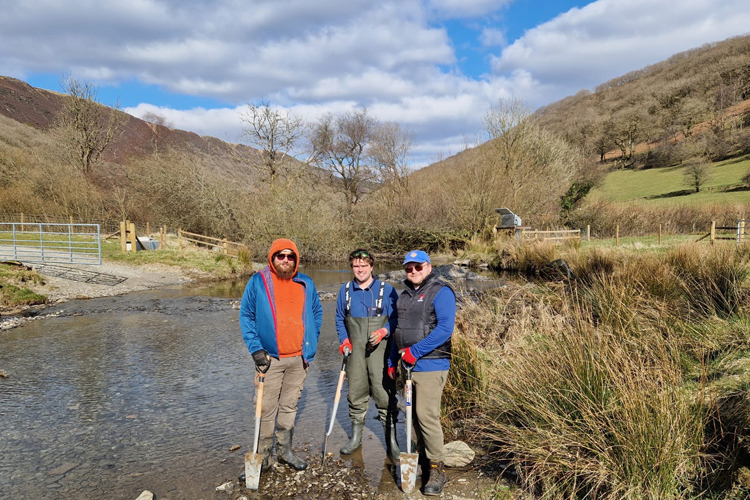
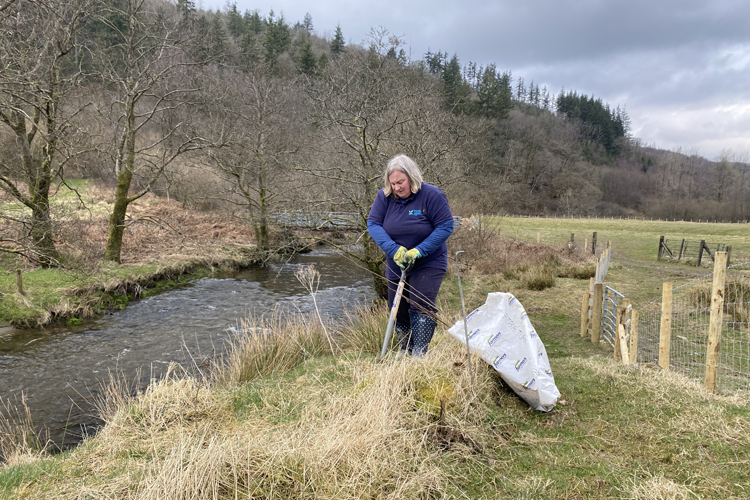
Some of the activity supported through the previous pilot scheme included:
- Engaging community activities for young people and vulnerable adults.
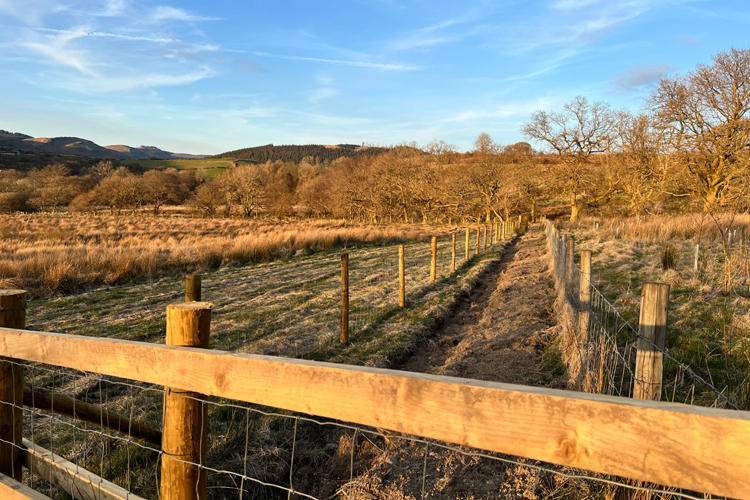
- Improving access and enjoyment to woodlands with improvements and repairs to infrastructure.
- Providing training and demonstrations for volunteers and groups on traditional woodland skills such as coppicing and tree planting.
- Processing timber and exploring sustainable economic opportunities by using a mobile sawmill and producing a guide for those managing woodlands for economic and community benefit.
- Connecting the woodlands, hedgerow trees, pastures and peatland of a local forest for habitat creation, enhanced biodiversity and broader community engagement.